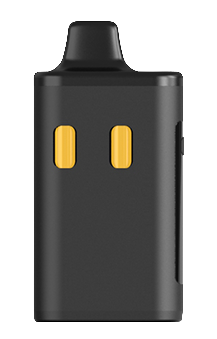
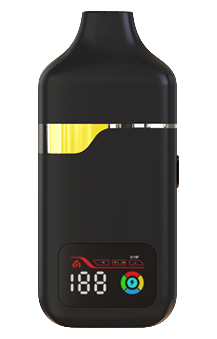
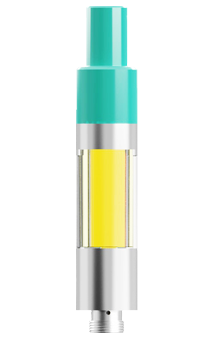
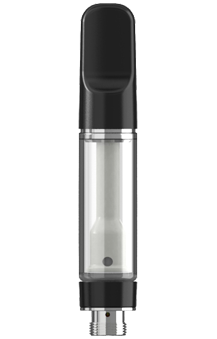
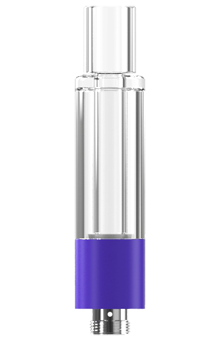
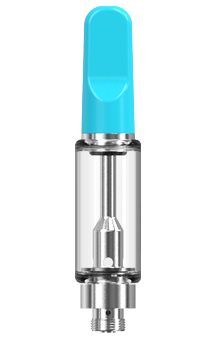
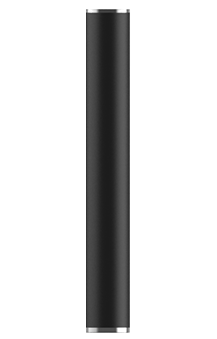
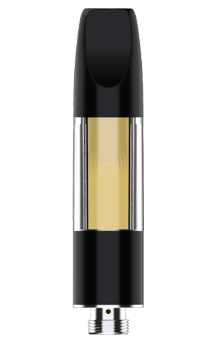
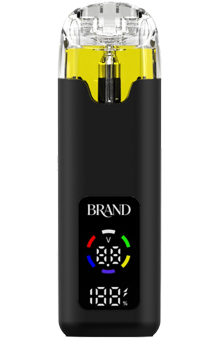
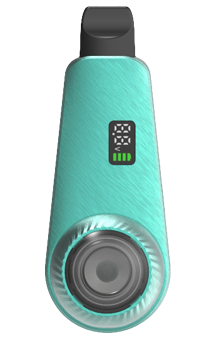
510-thread cartridges are one of the most convenient ways to vape cannabis. They’re portable, compatible with a wide range of batteries, and make it easy to switch between flavors and strains. Simply put, for end users, they’re hard to beat. But there’s one issue almost every vape user runs into at some point: clogging. Clogs are frustrating. While they can’t be eliminated entirely, they can be significantly reduced with the right combination of oil and hardware.

And How Smart Hardware Design Prevents It
Why Clogs Matter
#
When a cart clogs, no one is happy. At best, the customer is disappointed. At worst, they feel let down or even cheated. That reflects poorly on both the brand and the retailer.
Clogs drive returns, complaints, and negative experiences, all of which hurt brand perception and increase costs. Customers often assume the oil is defective, but that’s not always the case. Clogging can result from several factors, and it’s rarely just about the oil itself.
What Causes Cartridge Clogs?
#
There are several reasons a cartridge might clog or fail to draw. Here are the most common:
How Hardware Design Helps Reduce Clogging
#
Cartridge design also plays a major role in performance. Well-designed hardware improves airflow, heating, and overall consistency.
Tips Brands Can Share with Consumers
#
If a cart clogs, there are a few simple things to try before tossing it:
Warm the cartridge gently by rolling it between your hands
Use a battery preheat function if available
Manually warm the oil by briefly activating the battery
Take gentle primer puffs without activating the battery to loosen the blockage
Warm it with body heat by cupping it in your hand and breathing lightly over it
These methods can help get oil moving again and clear minor clogs.
When a Cart Should Be Replaced
Users often have a hard time letting a cart go, but if one still won’t draw after trying the fixes above, or if consumers notice any of the following, replacement is usually the best option:
Persistent blockage
Severely discolored or burnt-looking oil
Burnt taste
Repeated dry hits
At that point, performance and safety are both compromised, and it may be time for them to bid that cart adieu and get a new one.
Best Practices Before Scaling Production
#
For brands, preventing clogs starts well before products hit the shelf.
Run Compatibility Tests
Before scaling up, test your oil with your chosen hardware. Small batches of 50 to 100 units can reveal compatibility issues early.
Use the Real Formula
Always test with your actual oil formulation. Substituting a different oil won’t give accurate results and can lead to problems later.
Test Over Time
Clogs often develop gradually. Evaluate carts over one to two weeks, not just during initial use, to ensure consistent performance.
Test at Different Temperatures
Simulate real-world conditions:
Cold storage (refrigeration)
Room temperature
Warm environments (like a pocket or bag)
This helps confirm that your carts perform reliably across different conditions.
Align Filling SOPs with Your Supplier
Work closely with your hardware supplier to confirm proper filling and capping procedures. Following updated SOPs helps reduce variability and ensures consistency across batches.
How iKrusher Helps Brands Choose Clog-Resistant Hardware
At XH Devices , we work directly with cannabis brands to match hardware with their specific oil formulations. We help evaluate viscosity, design requirements, and performance goals to recommend the best-fit cartridge. We also provide updated SOPs and guidance to support smooth production and consistent results. The goal is simple: better performance, happier customers, and fewer clogs.
Final Thoughts
Clogging is frustrating. It disrupts the experience and reflects poorly on both the product and the brand. It’s also important to remember that clogging is not just an oil issue. It’s a system issue. Oil formulation, hardware design, and production processes all need to work together.
Testing with your actual formulation, selecting compatible hardware, and partnering with an experienced hardware manufacturer can make a meaningful difference. When everything aligns, customers get a smoother, more consistent experience, and brands deal with far fewer headaches.
And fewer clogs make everyone happier.
Be the first to know about new drops, XH updates, and wholesale opportunities.